Brake service
Brakes are among the most important safety systems in your vehicle and their condition shouldn't be put off. Even a small drop in performance, vibrations or uneven braking can grow over time into a bigger problem with higher costs. Timely brake service helps keep the car safe, predictable and reliable in everyday use.
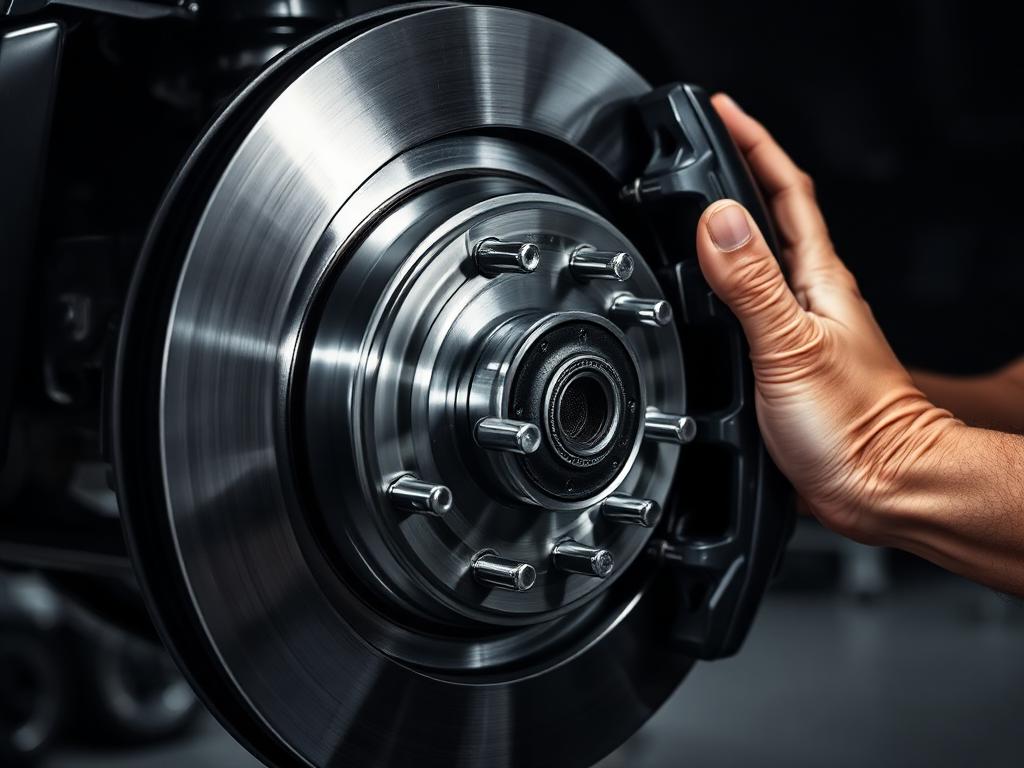
What brake service solves
Brake service addresses wear and the technical condition of the braking system, which directly affects the vehicle's ability to stop safely. It applies when the brakes don't feel as confident as before, the car vibrates while braking, pulls to one side, or the brake pedal feels different.
This service matters not only when there's an obvious problem, but also as prevention. The braking system wears down gradually and the driver often gets used to the decline in performance until the problem becomes more pronounced.
When it's time to have your brakes checked
A typical mistake is waiting for the moment when the problem is already severe. With brakes, however, the sooner you address wear or inaccuracy in the system, the lower the risk of a more expensive and extensive repair.
- The car vibrates when braking
- Braking is weaker or less confident than before
- The vehicle pulls to one side when braking
- Unusual noises come from the wheels or brakes
- The brake pedal feels different or behaves unusually
- The brakes or brake fluid haven't been serviced for a long time
What brake service includes
During brake service we check the condition of the brake pads and discs, inspect the brake calipers and the overall function of the system. Based on the condition of the components we replace worn parts, change the brake fluid and bleed the braking system.
The goal isn't to replace only what's visibly worn, but to verify that the whole system works correctly and evenly. Precision matters, because even a small deviation shows up in braking safety and ride comfort.
What it includes
- Inspection of brake pads and discs
- Check of the brake calipers
- Assessment of the overall braking system function
- Replacement of worn components based on condition
- Brake fluid change
- Bleeding the braking system
Why this service matters
The braking system directly determines how quickly and confidently the vehicle stops. Its condition affects the stopping distance, vehicle stability when slowing down and the overall sense of confidence behind the wheel.
- Shorter and more predictable stopping distance
- Higher safety for the driver and passengers
- Even braking without vibrations
- More reliable vehicle behavior in everyday and emergency situations
- Lower risk of wear spreading to other parts of the system
What happens if you neglect your brakes
Neglected brakes don't only mean lower comfort — above all they mean a higher safety risk. What looks at first like mild vibrations or slightly weaker performance can gradually turn into a noticeably longer stopping distance, uneven braking or more serious damage to components.
Postponing service usually also means higher costs. Minor wear that could have been addressed in time can spread to other parts of the braking system, and the repair then becomes both more expensive and more time-consuming.
Why it pays off to address brakes in time
With brakes, prevention is far more sensible than waiting for a more serious problem. Timely inspection and service help catch wear before it affects the performance of the whole system or causes a more expensive repair.
Addressing things in time means more confidence on the road, lower risk of complications and better control over future costs. With brakes this matters not only financially, but above all from a safety standpoint.
Why choose our workshop
We perform brake service with an emphasis on accurate inspection of the system and a clearly communicated scope of work. First we check the condition of the brakes, then we explain what needs to be addressed and why. We don't rely on unnecessary replacements, but on a clear and predictable approach.
What we stand for
- Emphasis on safety with every service
- Diagnostics and inspection before the actual repair
- Transparent scope of work and clear communication
- Focus on quick and predictable service tasks
- Brake condition explained without unnecessary technical jargon
Frequently asked questions
Short answers to the questions customers ask most often.
- How often should I have my brakes checked?
Brakes wear down gradually and drivers often get used to the decline in performance. It makes sense to have them checked at the first signs — vibrations, weaker braking, pulling to one side or unusual noises — and also when they haven't been serviced for some time.
- My car vibrates when braking. Is it serious?
Vibrations when braking are a typical sign that something isn't right in the braking system. The cause needs to be verified by inspection. The sooner it's addressed, the lower the risk that the problem spreads to other components and the repair becomes more extensive.
- Do you always replace pads and discs together?
No. During service we first verify the condition of the components and replace what is worn or no longer performing its function. The goal is for the whole system to work correctly and evenly — not unnecessary replacements.
- Why is changing the brake fluid important?
Brake fluid is part of a system that directly affects braking. Changing it and bleeding the system is a standard part of brake service and helps maintain predictable braking performance.
- What can I expect after a brake service?
After service, braking should feel more confident, more even and free of unpleasant vibrations. We'll explain what was addressed and the condition of the braking system so you have a clear picture of your car.
Book a brake service before a small issue starts affecting safety and the cost of repair.
Just briefly describe what you feel or hear when braking. We'll get back to you with the next step.
Schedule an appointment